Nature’s Puzzle Talk Inspires Attendees
Eighty FODMers and friends learned how many “pieces” of nature are interconnected in a Zoom talk titled “Nature’s Puzzle” by Alfonso Abugattas on May 13, 2026.
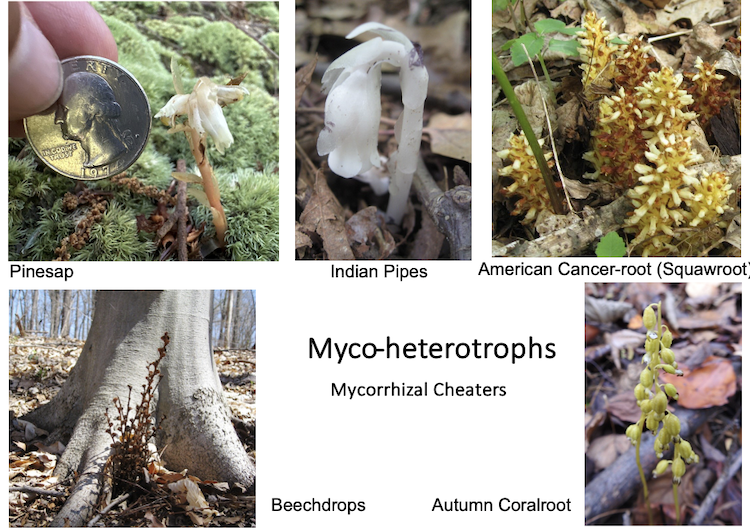
Eighty FODMers and friends learned how many “pieces” of nature are interconnected in a Zoom talk titled “Nature’s Puzzle” by Alfonso Abugattas on May 13, 2026.
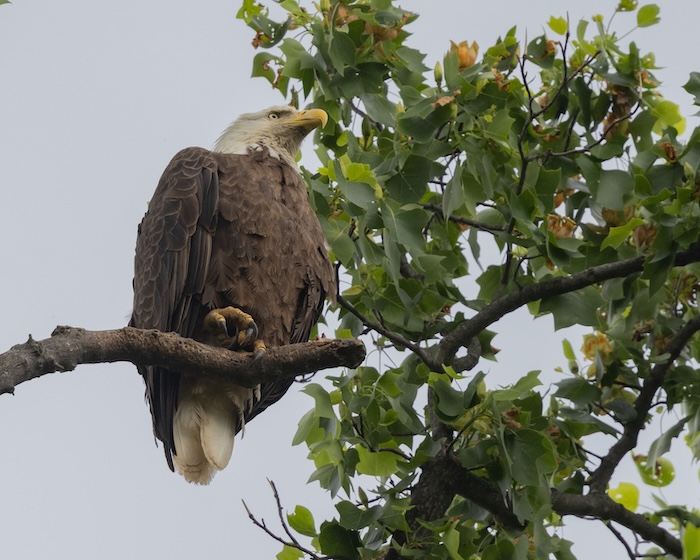
In early May, 2026, our dedicated bird observers discovered that the Haul Road Trail bald eagle (Haliaeetus leucocephalus) nest, which had two eaglets this spring, had partially collapsed.
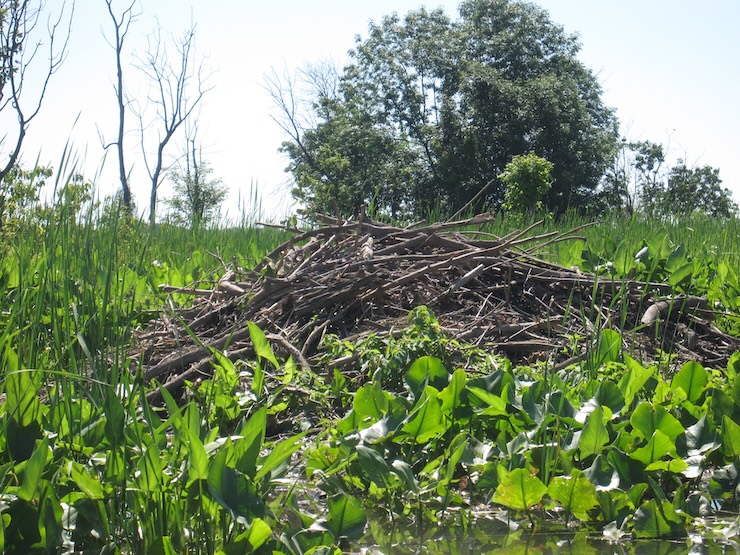
On June 7, 2026, around 6:35 a.m., near low tide, FODMer Todd Kiraly observed two beavers approaching a dam in Dyke Marsh south of the Haul Road Trail. From a kayak positioned roughly 30 feet from the dam, he watched the beavers for about 10 minutes as they engaged in maintenance behavior, transporting mud and woody material to reinforce the structure.

On March 2, 2026, the Washington, D.C., Department of Health lifted the recreational advisory for the Potomac River. The announcement said, “Consistent water quality testing shows bacterial levels are now within safe ranges for recreation.” For more information, visit doee.dc.gov. For DC Health’s health advisories, visit doh.dc.gov. For information on DC Water’s progress on the Potomac Interceptor repair, visit dcwater.com.
February 26, 2026
On January 19, 2026, a sewer line in Maryland, the Potomac interceptor, ruptured and sent up to 300,000 gallons of raw sewage into the Potomac River. FODM joined 20 other organizations on February 9 on a letter to DC Water asking for answers and accountability.

The Virginia General Assembly in its 2026 session approved two resolutions honoring the Friends of Dyke Marsh’s 50th anniversary. Senator Scott A. Surovell introduced SJ37 and Delegate Paul Krizek introduced HJ84, identical bills. The Dyke Marsh Wildlife Preserve is in their districts.
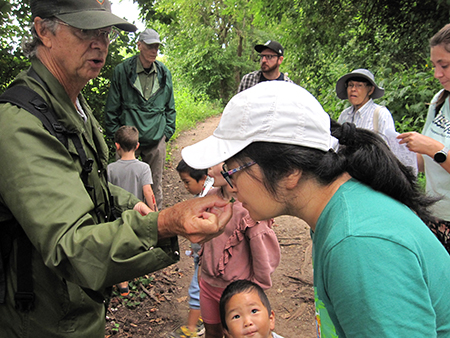
On August 19, 2025, Brent Steury with the National Park Service led a walk in Dyke Marsh for 17 adults and ten youngsters. Steury is the Natural Resources Program Manager for the George Washington Memorial Parkway.
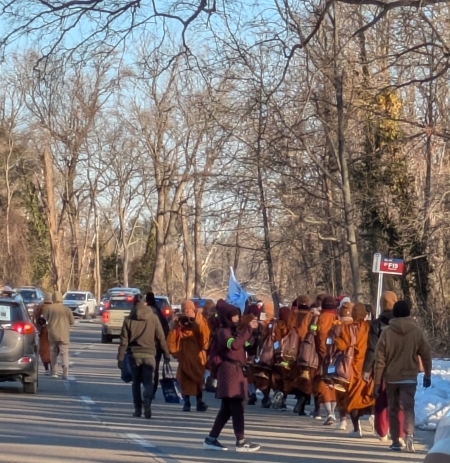
On February 9, 2026, 19 Venerable Buddhist monks walked through the Dyke Marsh Wildlife Preserve north on the George Washington Memorial Parkway.
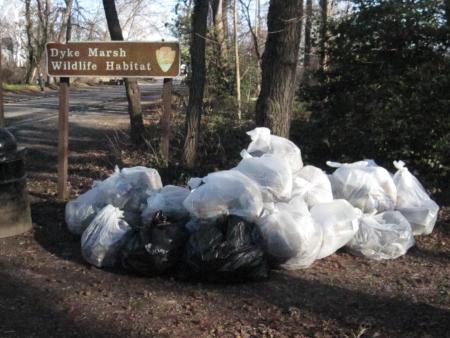
Fifty-two enthusiastic volunteers came out on January 19, 2026, for the Martin Luther King Day of Service Trash Cleanup in Dyke Marsh and along the Potomac River shoreline.

On October 22, 2025, Alison Zak urged her Zoom audience of 77 to “reframe their thinking that beavers are pests.” She explained that beavers (Castor canadensis) improve water quality, restore freshwater systems, protect wetlands, enhance groundwater recharge and increase biodiversity.
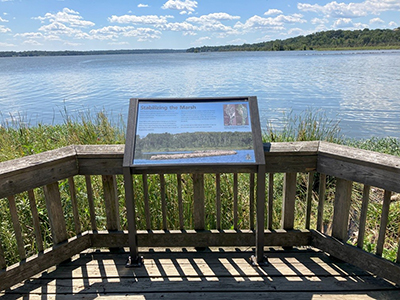
On August 29, 2025, NPS staffers installed a new wayside on the boardwalk explaining the stone breakwater and sills in the south marsh visible from the boardwalk.
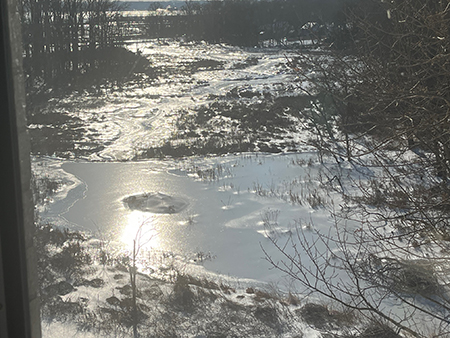
January’s snow, sleet, ice and many sub-freezing days left Dyke Marsh with packed snow and ice and a white glaze, sparkly in the sunshine.
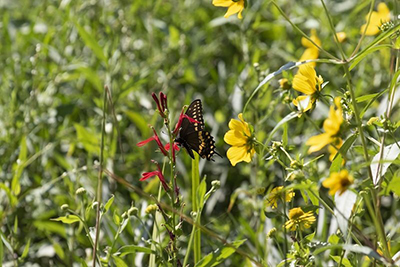
The Northern Virginia Bird Alliance’s July 2025 newsletter puts a spotlight on the Dyke Marsh Wildlife Preserve, its history and natural resources in an article by FODM President, Glenda Booth.