FODMers Learn about Pollinators
Pollinators visit flowers for nectar and pollen and when visiting flowers, they move pollen from one flower to another of the same species to produce fertile seeds. Most flowering plants are pollinated by bats, bees, butterflies, flies, beetles, and other animals. Plants can also be pollinated by wind and water and self-pollinate.
Animal pollinators face many challenges, including pollution, pesticides, habitat loss, invasive plants, disease, parasites and climate change.
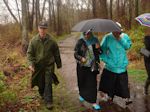 On April 14, 2015, FODM and the National Park Service led a group of Iraqi officials and scientists on a walking tour of Dyke Marsh. FODM is honored to have had these visitors. FODM president Glenda Booth has written an article that was published in the April 22, 2015 Mount Vernon Voice newspaper.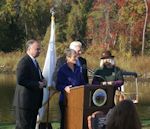
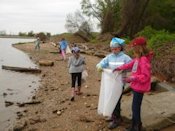 Ten enthusiastic Girl Scouts from Troop 2459 visited the Dyke Marsh Wildlife Preserve on April 28, 2015 and cleaned up trash along the shoreline. They are working on an animal habitat badge. Their
 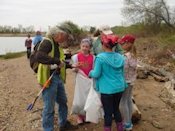 troop leader is Sarah Olson and they are based at Fort Hunt Elementary School in the Mount Vernon area. FODM President Glenda Booth, Vice President Ned Stone and FODMer Patty McCarthy talked about the harm of trash on wildlife and habitat.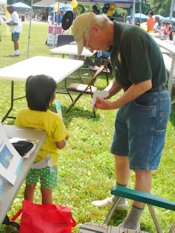

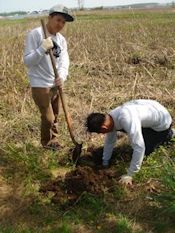
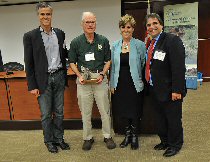
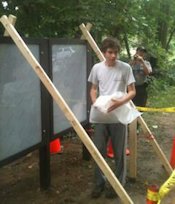
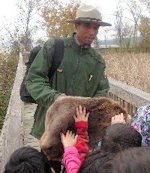 Sixty Belleview Elementary School students, teachers and parents visited the Dyke Marsh Wildlife Preserve on a blustery November 4 to learn how animals and plants in the wetland ecosystem are preparing for winter. National Park Service rangers Emily Zivot and Miguel Roberson led the walk. FODM President Glenda Booth attended the walk and provided the following photo essay.
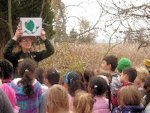 Standing on the wooden bridge, Ranger Emily Zivot told the youngsters that the “sad looking plants” caked in mud and disappearing into the muck are spatterdock, a common wetland plant.